The 2026 Guide to Anxiety, Depression, and Holistic Recovery
Last Updated: May 2026 | Clinical Standard: MHRA & NHS 2026 Guidelines Featured Offer: 20% Off All Health Products Storewide
1. Which Magnesium is Best for Sleep and Anxiety?
In 2026, “Magnesium Stacking” has become a top wellness trend. Not all magnesium is created equal:
-
Magnesium Glycinate: The gold standard for anxiety and insomnia. It is bound to glycine, a calming amino acid that crosses the blood-brain barrier effectively.
-
Magnesium L-Threonate: Trending in 2026 for “Brain Fog” and cognitive health.
-
Pro-Tip: For those using Zopiclone 7.5mg to manage severe insomnia, supplementing with Magnesium Glycinate can help lower your baseline cortisol, making your sleep medication more effective.
2. Sertraline Side Effects: The April 2026 Alert
Sertraline remains the most prescribed SSRI in the UK. However, a precautionary recall (Batch V2500425) was issued in April 2026 due to packaging errors.
-
Common Effects: Nausea, dry mouth, and “Sertraline Sweats.“
-
The 2026 Safety Warning: If you experience heightened anxiety while starting Sertraline, you may need a short-term “bridge” medication. Many clinicians recommend Alprazolam 1mg for the first two weeks to manage the initial adjustment period.
3. Best Antidepressant for Anxiety
While Sertraline is first-line, 2026 clinical guidelines suggest:
-
Escitalopram: Known for having fewer drug-to-drug interactions.
-
Venlafaxine (SNRI): Preferred for cases where physical pain is present.
-
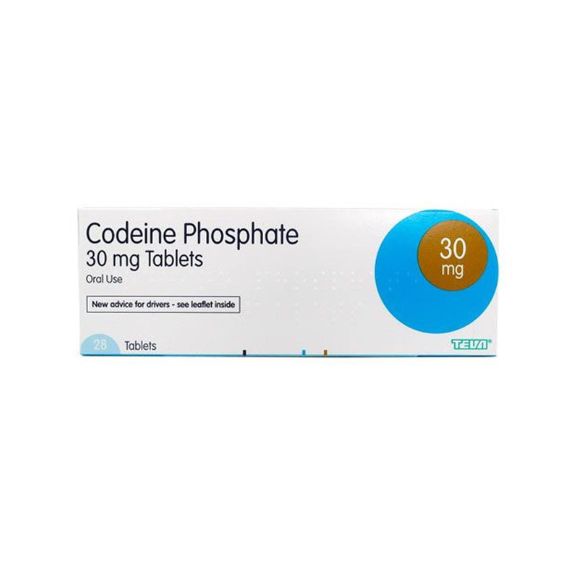
Internal Link: If your anxiety causes severe muscle tension or headaches, patients often supplement their regimen with Codeine Phosphate 60mg for acute relief, though caution is advised to avoid “Serotonin Syndrome.“
4. Is Anxiety an Emotion? (The Disorder vs. The Feeling)
Yes, anxiety is a natural emotion designed for survival (the “fight or flight” response). However, it becomes a Mental Health Disorder when it is:
-
Disproportionate to the threat.
-
Persistent (lasting more than 6 months).
-
Interfering with daily functioning.
For those stuck in a “Disorder” state, medications like Pregabalin 300mg help by calming the overactive nervous system signals.
5. High Functioning Anxiety (HFA) & Mixed Disorder (MADD)
High Functioning Anxiety is the “silent struggle” of 2026—you look successful on the outside but are crumbling under perfectionism on the inside.
-
Treatment: A combination of CBT and low-dose anxiolytics.
-
Mixed Anxiety and Depressive Disorder (MADD): This is a blended state where you feel emotionally flat (depression) yet constantly “wired” (anxiety).
-
The 2026 Protocol: Managing MADD often requires stabilizing sleep first. Zopiclone is frequently used to break the cycle of exhaustion that feeds both conditions.
Secure Your Treatment: 20% Off Storewide
To help our UK community navigate the 2026 health crisis, we are offering a limited-time 20% discount on all essential medications.
Quick Buy Links (20% Discount Applied):
-
Alprazolam 1mg (Alprax) – Best for Acute Panic & HFA spikes. [BUY NOW]
-
Codeine Phosphate 60mg – High-strength relief for anxiety-induced tension. [BUY NOW]
-
Tramadol 50mg – Dual-action support for chronic pain. [BUY NOW]
-
Zopiclone 7.5mg – The #1 choice for Sleep Restoration in 2026. [BUY NOW]
Frequently Asked Questions
“What is the best antidepressant for High Functioning Anxiety?”
Clinicians often prefer SSRIs like Sertraline or Fluoxetine, but many “High Achievers” in 2026 use Pregabalin because it helps with physical restlessness without causing the “emotional blunting” sometimes associated with antidepressants.
“Can I take Magnesium with my Sertraline?”
Yes, Magnesium Glycinate is generally safe to combine with SSRIs and can even help mitigate the “jittery” side effects often felt in the first week of treatment.
Conclusion: Take Control of Your 2026 Health
Whether you are navigating Mixed Anxiety and Depressive Disorder or simply looking for the best magnesium for sleep, knowledge is your power. Use our storewide 20% discount to stock up on the essentials you need for a balanced life.
Visit the Official BuyPillsUK Shop today.